A hip roof slopes on four sides, and each side meets the sun at a different hour. Tile can carry that load when the layers beneath it are sound.
What gets replaced under a tile roof
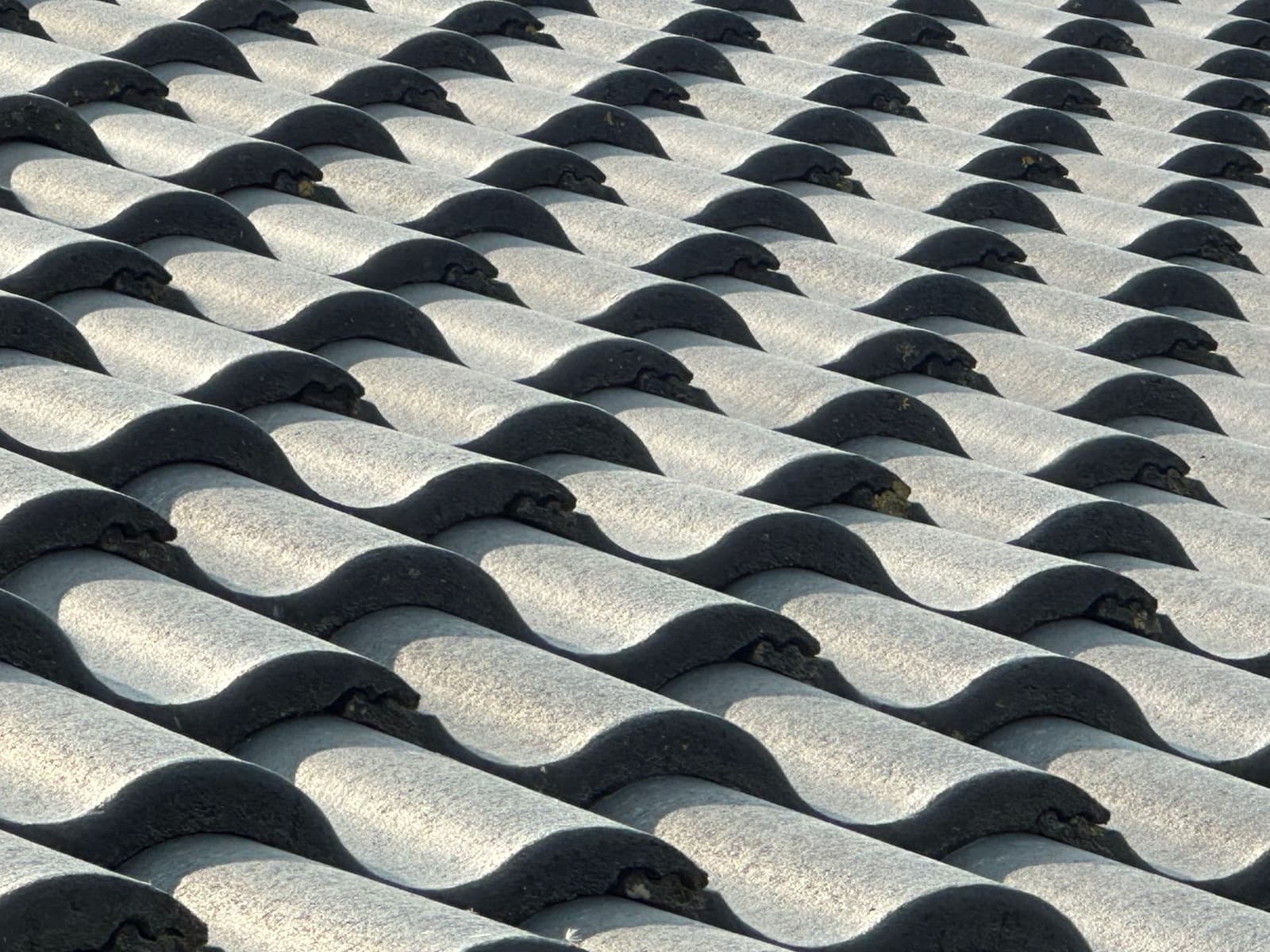
The tile is the visible layer. Beneath it sit the battens or mortar bed, the underlayment, the flashing at walls, valleys and chimneys, and the roof deck. On a tile roof the underlayment does the waterproofing. The tile sheds the first of the water and shades the layer under it.
A full replacement renews all of it: tile off and sorted, deck checked and mended, new underlayment, new flashing, battens set to the profile, then tile back on or new tile up. Hip and ridge caps go on last and are bedded to hold. The scope names each step, so you can see what the price covers.
Cool rated tile and the state rule
When a reroof takes more than 50 percent of the roof, the state wants cool values on the new covering in climate zone 4 and in zones 8 to 15 (California Energy Commission, 2022). The numbers for a steep slope are an aged reflectance of 0.20 with emittance 0.75, or SRI 16. The text did not change in the 2025 code, which began on 1 January 2026 (California Energy Commission).
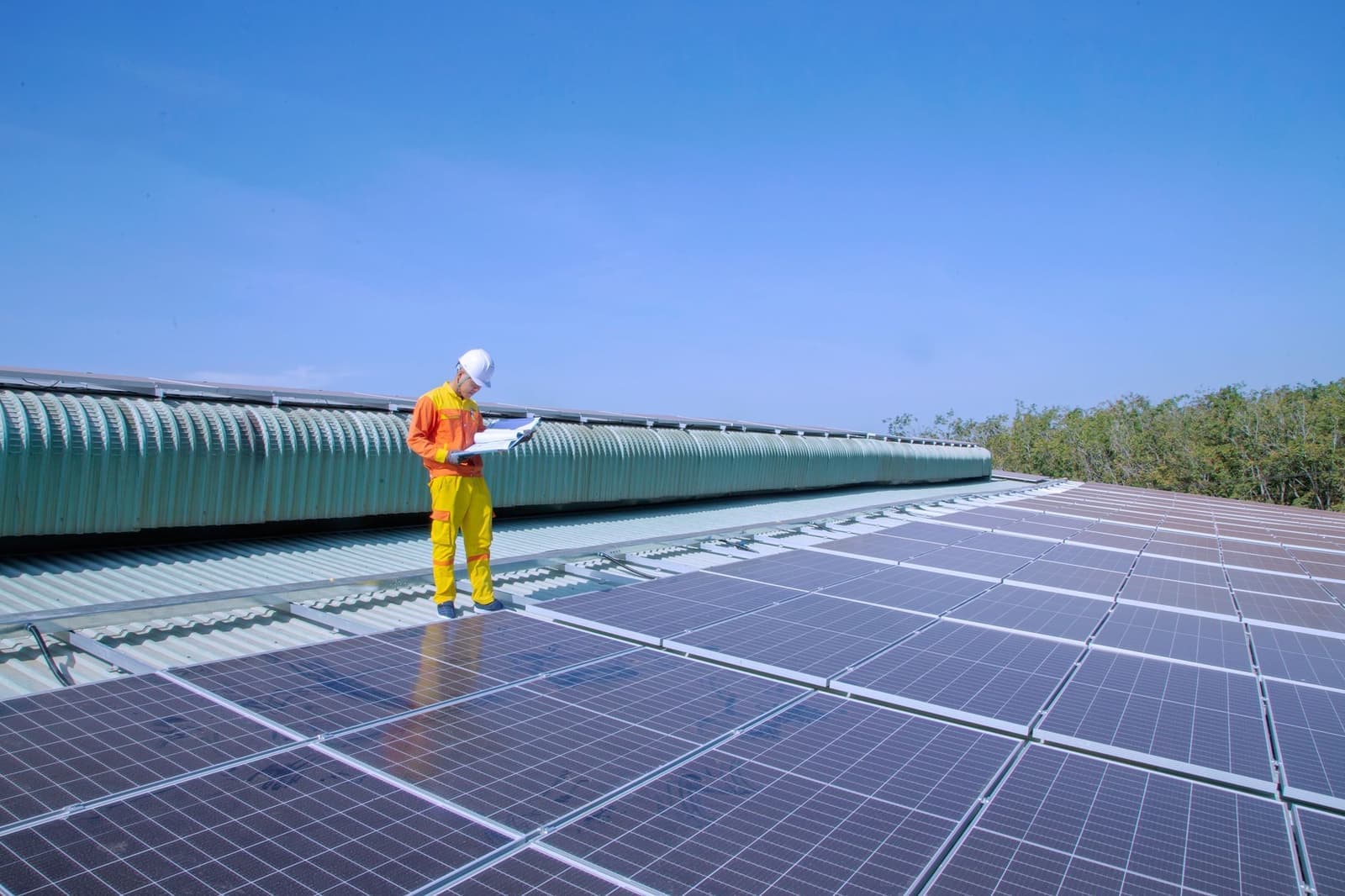
No exception in the code names a tile profile, raised battens or an air space. Roofs that weigh 25 lb/sq ft or more are treated as meeting the rule, and so is roof area under solar panels, so ask the manufacturer for the weight per square foot. A tile choice starts from the CRRC listing, where the product's aged reflectance and emittance are printed.
What a tile replacement includes
- Tile removed, sorted and stacked off the roof
- Deck inspected and mended before anything goes back
- New underlayment over the whole roof
- Flashing renewed at walls, valleys and chimneys
- Ridge and hip caps set last
- Cool rated options for each slope, checked against the CRRC listing
Signs a tile roof needs attention
- Cracked or slipped tiles on more than one slope
- Daylight, stains or damp insulation in the attic
- Crumbling mortar along the ridge or hips
- Tiles that shift or sit unevenly underfoot
Lift and relay, or new tile
In a lift and relay the tile comes up in sections, the underlayment is replaced and the same tile goes back down. That suits a roof with sound tile and a worn-out layer beneath it. Inside the City of Los Angeles the work sits on the express permit list, and the same bulletin exempts it from cool roof compliance (LADBS Information Bulletin, 2026).
New tile makes sense when cracks run across several slopes or when you want a different color. County jurisdiction is stricter: clay or concrete tile there has to come off completely before any new material goes down (Los Angeles County Public Works, 2025). A change of covering in the County therefore means a full tear-off.
Permit and sign-off for a tile job
A City of Los Angeles re-roof with a Class A or B covering on solid sheathing at under 6 lb per square foot skips plan check. The permit is express, taken online or in person at the Van Nuys, Metro, West Los Angeles, San Pedro or South Los Angeles counter (LADBS, 2026). Once a residential replacement passes 50 percent of the roof area, it needs a CRRC-labeled cool roof product.
The County wants a building permit for a reroof. Panels taken off and put back need a solar permit of their own (Los Angeles County Public Works, 2025). Paperwork comes last. The inspector receives the Re-roofing Certificate of Compliance only after the contractor or an owner-builder has signed it.
Tile roof questions
Can a tile roof last 50 years?
The tile itself can outlast the layers under it, and tile makers publish long product warranties. The underlayment is the part that wears out first, which is why the lift and relay exists. Ask the maker for warranty terms in writing.
How does a lift and relay work, and when does it do the job?
The tile is lifted, new underlayment goes down and the tile is set back in place. That does the job when the tile is sound and the layer beneath it has failed. The City of Los Angeles lists it as an express permit and exempts it from cool roof compliance (LADBS, 2026).
Does a full tile reroof need a cool rated tile?
It does when the reroof replaces more than 50 percent of the roof in a zone the rule covers. In zones 8 through 15 the state values for a steep-slope reroof are aged reflectance 0.20 and emittance 0.75, or SRI 16. The City of Los Angeles asks for a CRRC-labeled product once a residential replacement passes 50 percent of the roof.
How much does it cost to put tiles on a roof?
Angi lists tile in Los Angeles in 2026 at about $12 per square foot installed, and its tile page gives an average of $27,102. Those are third-party figures, not a quote from us. Tile type, profile, roof area, framing checks and tear-off move the total, so a written scope tells you more than any average.
What fails first on a tile roof?
The underlayment. Tile sheds water and shades the layer beneath it, but the underlayment does the waterproofing, and it ages in the heat under the tile. Cracked tile shows from the ground. Worn underlayment shows up as stains or damp in the attic.