Fire class belongs to the roof assembly, not only the covering on top. For the class a roof needs at an address, check with the city's building department.
Checking the map first
Check the address on the CAL FIRE map viewer. The State Fire Marshal published the 2025 maps for local responsibility areas in four batches, on 10 Feb, 24 Feb, 10 Mar and 24 Mar (OSFM, 2025). A neighbor's answer does not carry over; zone lines run through streets.
If the map is unclear, the building department of your city or the County office can say how the address is treated.
What the City of Los Angeles asks
Class A is required in the City of Los Angeles wherever the address falls in a Very High Fire Hazard Severity Zone (LADBS, 2026). Under LABC 1505.1, Fire District No. 1 takes either A or B, and everywhere else the City accepts A, B or C.
Wood shake and wood shingle covering is prohibited in the City, with limited work on up to 5 percent allowed through a modification request (LADBS, 2026).
What a Class A reroof includes
- Fire zone check on the official map
- Covering and underlayment from one tested assembly
- Deck inspected and repaired first
- Listing kept with the permit paperwork
- Roof edges and openings written into the scope
- Cool roof values checked for the covering
When to ask about Class A
- The address sits in or near a mapped fire zone
- The roof is old wood shake or shingle
- A reroof is planned and the class is unclear
- Insurance or sale paperwork asks for the fire class
County rules and Part 7
County reroofs in a Very High zone come under LACBC 1505.1.1 (Los Angeles County Public Works, 2025). Wood shake or shingle is out as a new covering. Any existing wood shakes must be removed first.
The wildfire building rules moved. Part 7 of Title 24 took over Chapter 7A's content on 1 January 2026 (DGS/California Building Standards Commission, 2025), and goes by the name California Wildland-Urban Interface Code, 2025 edition.
Choosing the covering
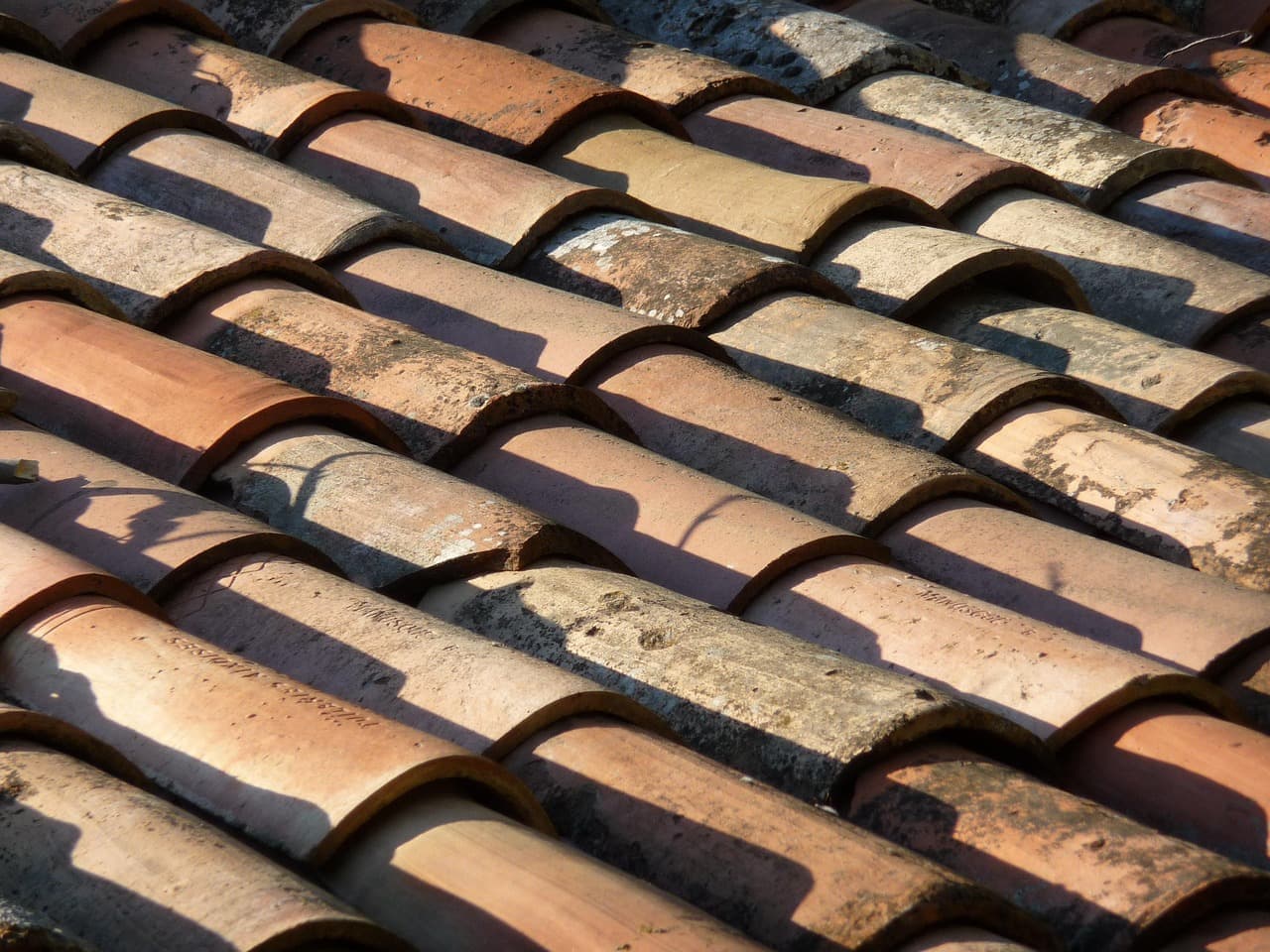
Class A is tested on a stated assembly of deck, underlayment and covering. Concrete and clay tile, metal and certain asphalt shingle products reach it that way. A listing for the product names the assembly.
We name the tested assembly in the scope and keep the listing with your records. Cool roof values still apply on top when the job replaces over 50 percent of the roof.
Fire class questions
How can I tell which fire zone my address is in?
Check the address on the CAL FIRE map viewer. The Fire Marshal's pages point to that viewer for the 2025 maps, and the building department can confirm how the address is treated.
What is different since the 2025 fire hazard map update?
Local responsibility area maps were updated on 24 March 2025 (ABC7, 25 March 2025). Local governments had 120 days to adopt them. Very high zones in Greater Los Angeles now cover about 900,000 acres, up 29 percent on 2011. For the City itself the very high area grew by roughly 7 percent.
Must a wood shake roof come off?
In County jurisdiction, existing wood shakes must be removed before reroofing with any material (Los Angeles County Public Works, 2025). The City of Los Angeles prohibits wood shake and shingle covering; limited work on up to 5 percent can go through a modification request (LADBS, 2026).
Which coverings qualify for Class A?
Concrete and clay tile, metal and certain asphalt shingle products reach Class A when tested over a stated deck and underlayment. The product listing names the assembly.
Why are vents and gutters part of a fire zone roof?
A roof is judged with its edges and openings, not by the covering alone. Part 7 of Title 24 holds the wildfire construction rules (DGS/California Building Standards Commission, 2025). We list vents, edges and gutters in the scope.