Rolling Hills Estates reroofs may need HOA approval where an HOA applies. For permits and requirements, check with the city's building department.
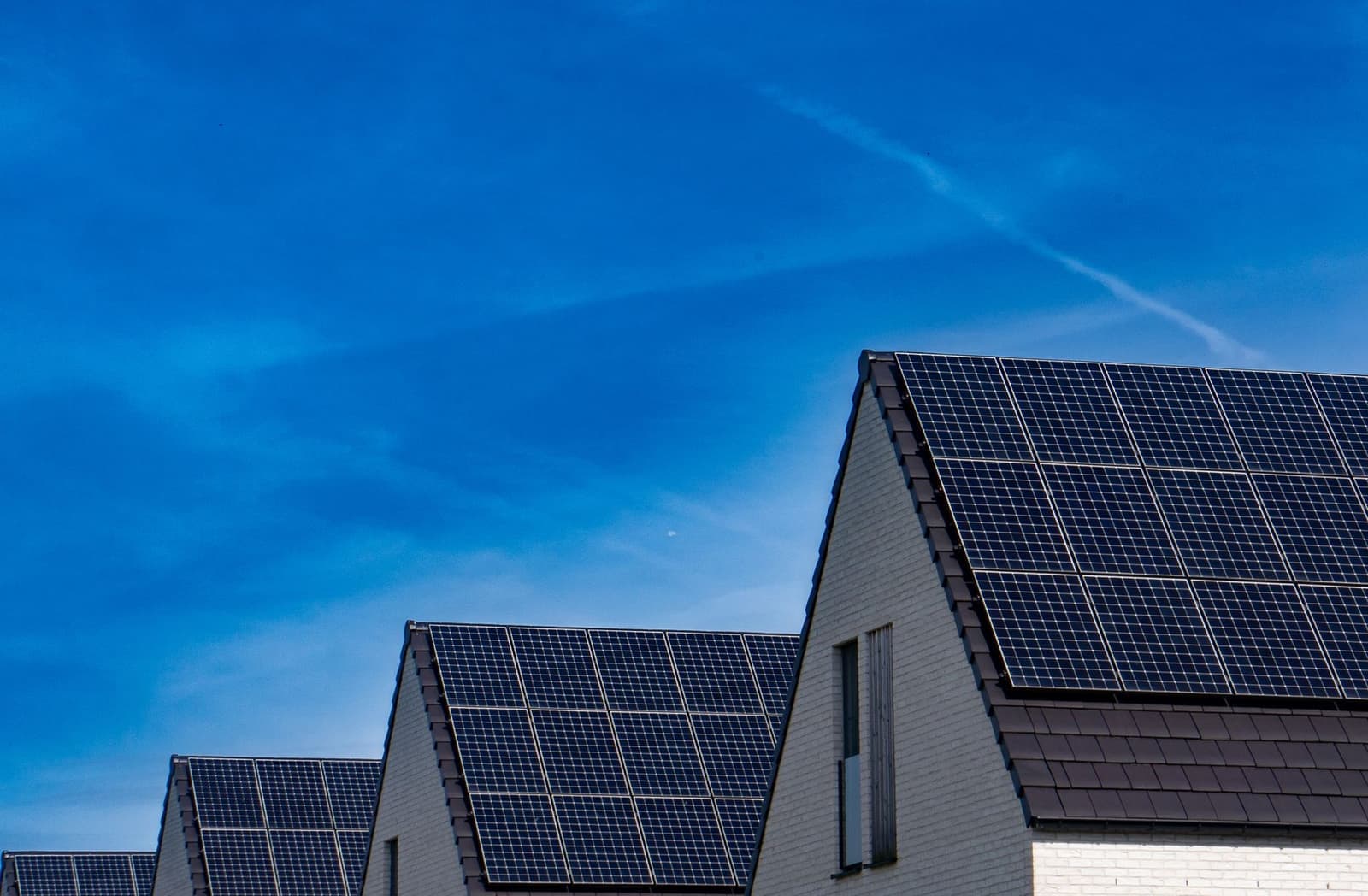
The houses of Rolling Hills Estates
Median year built in Rolling Hills Estates: 1970. Owner-occupied single-family homes in the city: 1,912. Median home value: 1,692,600 dollars (U.S. Census Bureau, ACS 2020-2024).
We write the scope, name the covering and check the city's conditions before anything is ordered.
Climate zone 6 and the sun
The Energy Commission's ZIP code table puts Rolling Hills Estates in climate zone 6. The state steep-slope values cover zone 4 and zones 8 through 15, so zone 6 sits outside them. Low-slope roofs in zone 6 fall inside the low-slope table (California Energy Commission, 2022).
The city may carry its own cool roof compliance step, so check with the city's building department. We build to whichever is stricter for your roof.
Permits and the HOA
For reroof permits and requirements, check with the city's building department. HOA approval is needed where an HOA applies.
You can look up the fire zone for an address on the CAL FIRE map viewer.
Jobs we take in Rolling Hills Estates
Whole roofs: replacement, tear-off, tile, shingle and metal, cool roof work and new roofs. The form takes any roof job.
Rolling Hills Estates roofing questions
Which office handles reroof permits in Rolling Hills Estates?
Check with the city's building department. Where an HOA applies, it approves the work too.
Which roof coverings meet the city's rules in Rolling Hills Estates?
Tile, shingle, metal and flat membranes can all be options. For covering rules at your address, check with the city's building department.
What roofing jobs do you take in Rolling Hills Estates?
Complete roofs: replacement, tear-off, tile, shingle, metal and flat work, plus new roofs.