The right covering for a Los Angeles house answers three questions: how it handles the sun, what fire class it can reach and what the house structure can carry.
Tile
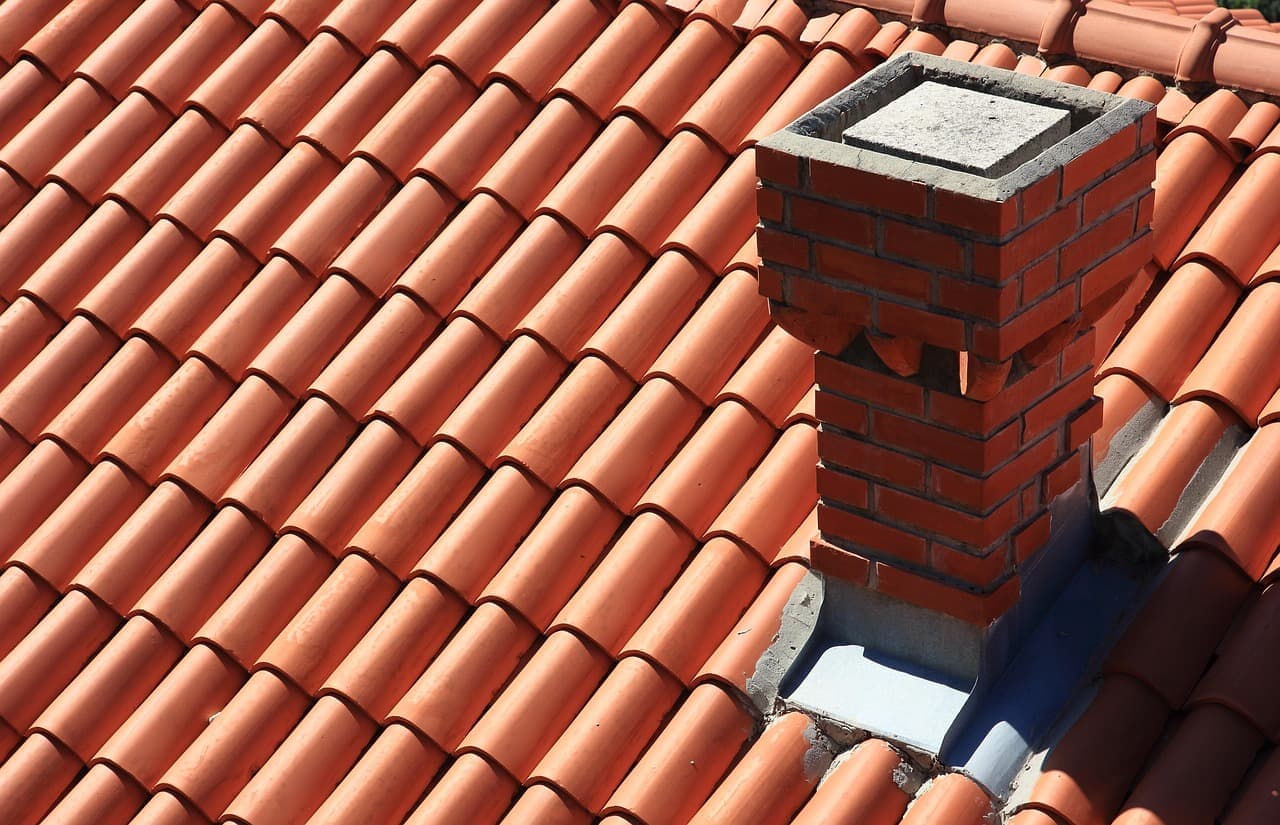
Clay and concrete tile are heavy, durable and layered. Cool rated finishes exist, and tile can be built into a Class A assembly. Because it is heavy, the framing has to carry it. When a tile roof is reroofed in County jurisdiction, the old tile must be fully removed (Los Angeles County Public Works, 2025).
The underlayment beneath tile does the waterproofing. Tile shows the underlayment's age before it shows its own.
Asphalt shingle
Shingles are lighter and lower in first cost. Shingle assemblies can reach Class A. The surface granules set the color and how much sun the roof reflects.
Worn granules and curling edges are the signs of age. Shingle needs fastening to the maker's pattern, since wind gets under loose tabs.
Metal
Metal is light, and its finish does much of the work in the sun. Standing seam panels hide their fasteners. Metal reaches Class A as part of a tested assembly. In County jurisdiction a switch to metal needs Regional Planning approval (Los Angeles County Public Works, 2025).
Near the coast, aluminum resists salt corrosion better than bare steel.
Flat and low-slope membranes
TPO, PVC, EPDM, modified bitumen and built-up roofing cover roofs that barely slope. Drainage is the first thing to check. Low-slope reroofs answer to a separate table: SRI 75 in zones 4 and 6 through 15, or aged reflectance 0.63 paired with emittance 0.75 (California Energy Commission, 2022).
A membrane is welded or adhered at its seams, and the seams are where the roof ages first.
Fire class and the valley question
Inside a Very High Fire Hazard Severity Zone, a City of Los Angeles address must use Class A (LADBS, 2026). Class A belongs to the assembly: the deck and underlayment count along with the covering.
A valley is where two slopes meet at an inside angle, and water from both runs down it. That is why a valley is flashed with care and checked first when a roof leaks.
Roofing materials questions
What is a valley on a roof called?
A valley is the inside angle where two slopes meet. Water from both slopes runs down it, so it is flashed with care.
How does tile weigh against shingle?
Tile is heavier than asphalt shingle, so the framing has to carry it. The product data sheet gives the weight in pounds per square; check it against what the structure can take.
What is the most common roof type in California?
It depends on the region, the age of the house and the budget. In Los Angeles, tile, asphalt shingle, metal and flat membranes all appear on houses. The fire zone and the cool roof rule narrow the choice for each address.